
April Lambing Season
Lambing season has ended. Before I move into full-on gardening mode, I wanted to pause and ruminate on the season.
Lambing season starts long before birth.
We raise Tunis sheep: a multipurpose heritage breed that thrives in the hot and humid southeast. Tunis originated from the fat-tailed sheep of North Africa. In the late 1700’s, the ruler of Tunisia gifted a small flock to George Washington. The few sheep who survived the oceanic crossing became seed stock for a uniquely American breed.
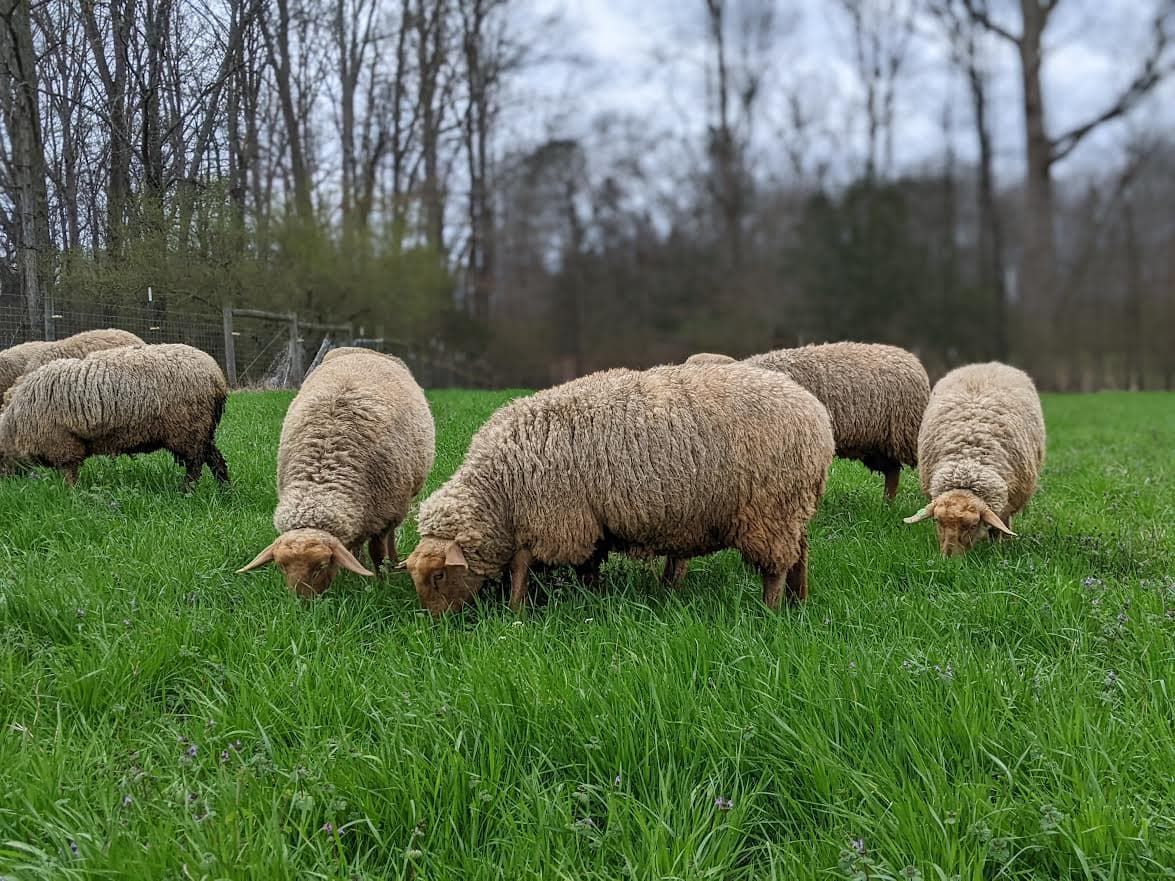
Tunis were the dominant sheep breed east of the Mississippi until the Civil War, when they almost became extinct in the South. A farmer hid the last large flock of southern Tunis on his land along the Congoree River in South Carolina. Today, this hardy breed is making a comeback in the Southeast and other regions of the United States.
Tunis are a rare livestock breed. We raise registered breeding stock. Before breeding season, we review our records to select which ewes will be bred to which ram, and who will not be bred. Spring lambs are planned months before they arrive.
Breeding takes place in the fall. Then comes the time of expecting, watching and lambing. Following are some of my thoughts from previous lambing seasons:
Expecting…
It’s too early to speculate on dates of birth or number of lambs, but you can see the pregnant ewes filling out. They move a little slower and nap a little more.
It’s a fitting response to January.
After the hustle and bustle of holidays, travel, and end of year celebrations, time has slowed. The miracle of growth is taking place inside, tucked away from the public eye, nourished in the dark.
Soon enough, the season will change. Expectancy will transform into labor. New life will be birthed. Lambs will make the journey from the inside out. So, too, the dreams currently carried inside of you. Until then, savor the slower pace. Take naps without apology. Feed the nascent dreams carried within your soul. Spring will come soon enough.
Watching…
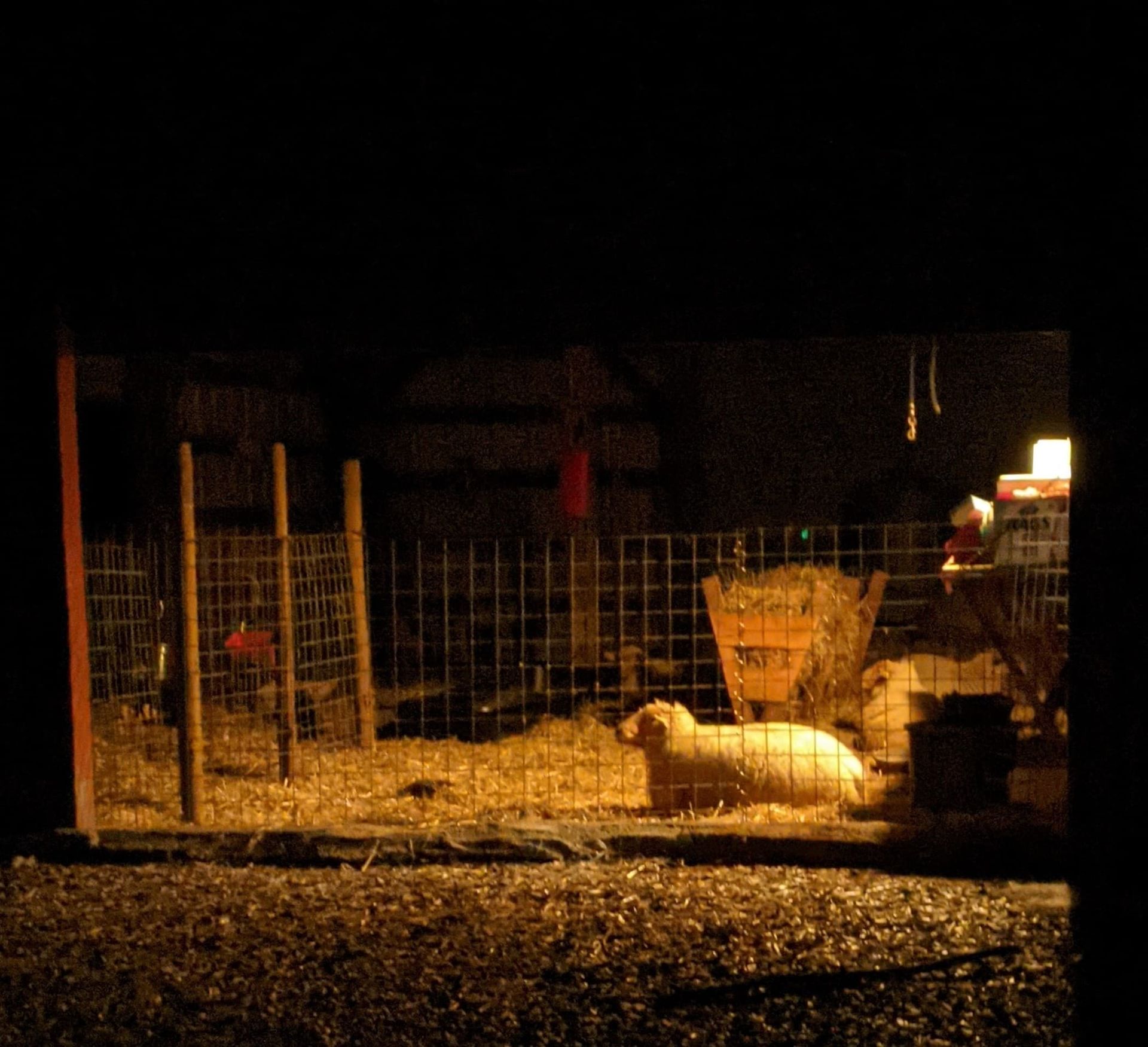
I have begun the annual treks to the barn in the wee hours of the morning. Is it necessary? 99% of the time: no. But I am so grateful when that 1% issue occurs and I am present.
The walks to the barn are more for me than for the sheep.
Rather than lying in bed, wondering if I should get up (and wondering and wondering), the simple act of throwing off the bed covers and throwing on layers of clothing transforms my low-level anxiety into simple activity.
The moon provided all the light I needed this morning. The air was brisk, the sheep were calm, and the roosting chickens watched me as I came and went… a quiet visitor to the land of darkness and slumber.
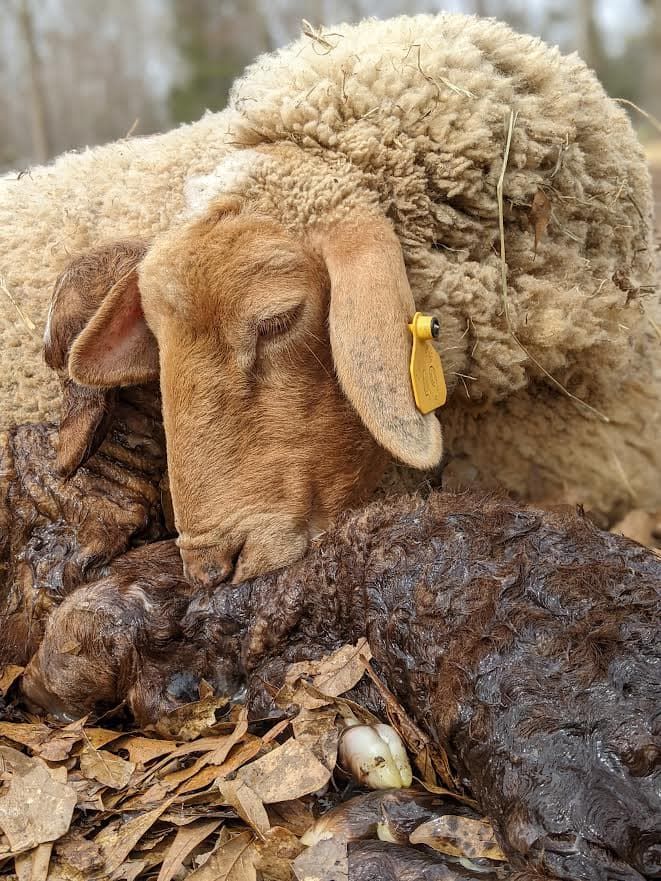
Lambing season has begun…
Once again, the stresses of the season disappear in the presence of the sweet sights and sounds between mama and lamb.
Our first lambing season was almost perfect. No illness, no emergencies, no death. In our glorious naivety, we assumed it was a typical lambing season. Since that first season, we have experienced illness, emergencies, and deaths. We’ve cried in bitter frustration when we were unable to save a life, and we’ve laughed for joy when life won. Time after time, life wins. Time after time, the sheep deliver healthy babies with no involvement from us. But sometimes…
If she survives, I will call her Grace.
We have had a bountiful lambing season so far. Healthy babies, healthy mommas, and natural, unassisted births. Until yesterday.
We started the day with loss. In the morning, one of our ewes had quadruplets: 1 healthy and 2 stillborn. The 4th is in our living room, hanging on by a slim thread.
Loss is an inevitable companion of life. The older I get, the more I see that duality. It doesn’t make it hurt less, but it does make it easier to accept.
As for the sweet lamb: will she live? I don’t know. What I do know is that she is in a safe and dry place, covered with a blanket of prayers, and the object of loving attention. And there is tremendous grace in that.
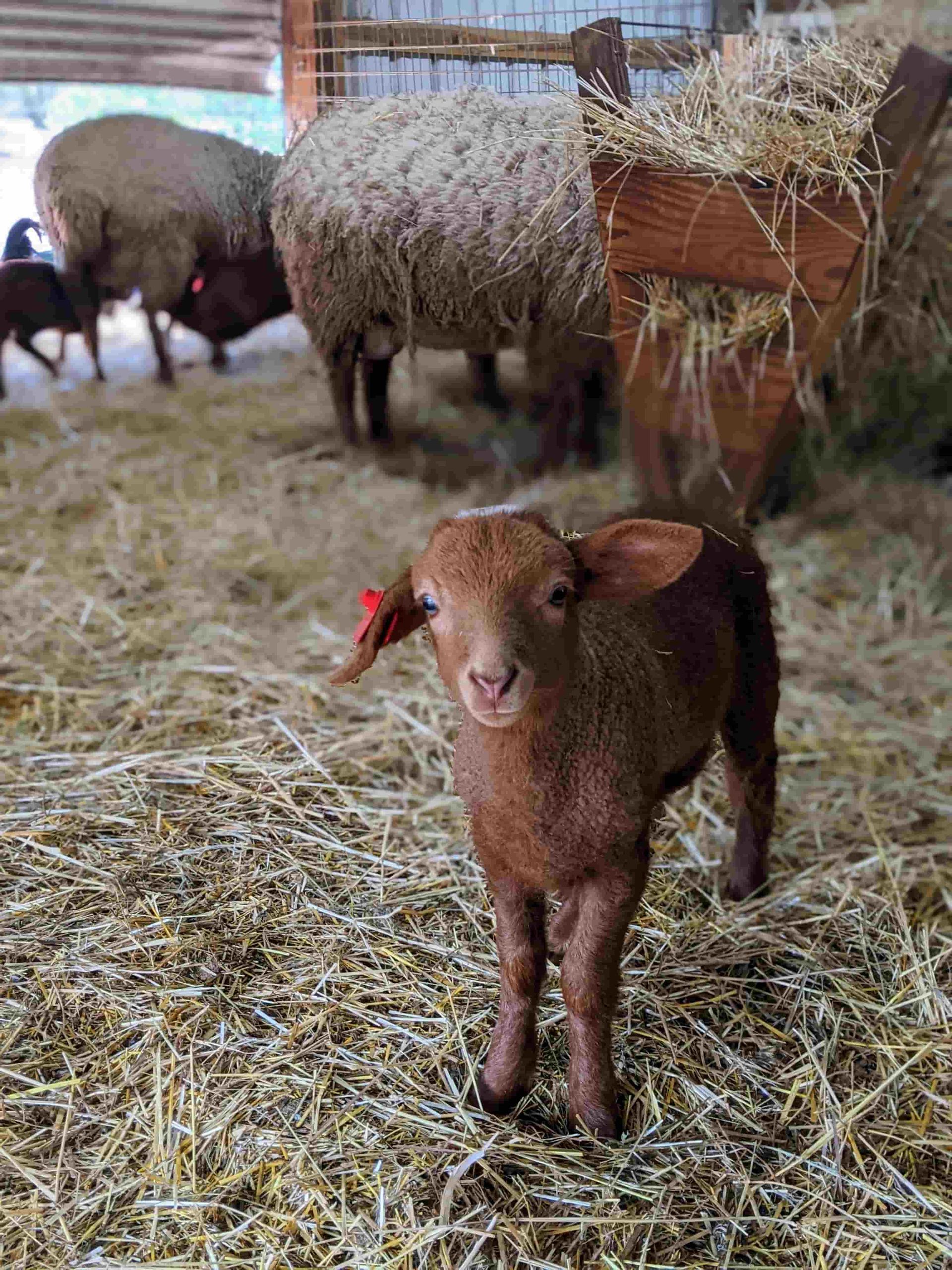
Lambing season 2023 has ended.
Final count: 34 healthy, bouncing lambs and 19 relieved moms. Most births were simple and unassisted. It was not a “perfect” season, but it was a successful one. Every year, we learn more. Every year, we gain more respect and affection for the Tunis breed. Every year, we are grateful for the opportunity to promote and protect this rare breed.
Thank you for joining me in this rumination. I welcome your thoughts and questions.
P.S. Grace lived.
To learn more about endangered livestock and poultry breeds and how to protect them from extinction, check out the Livestock Conservancy.
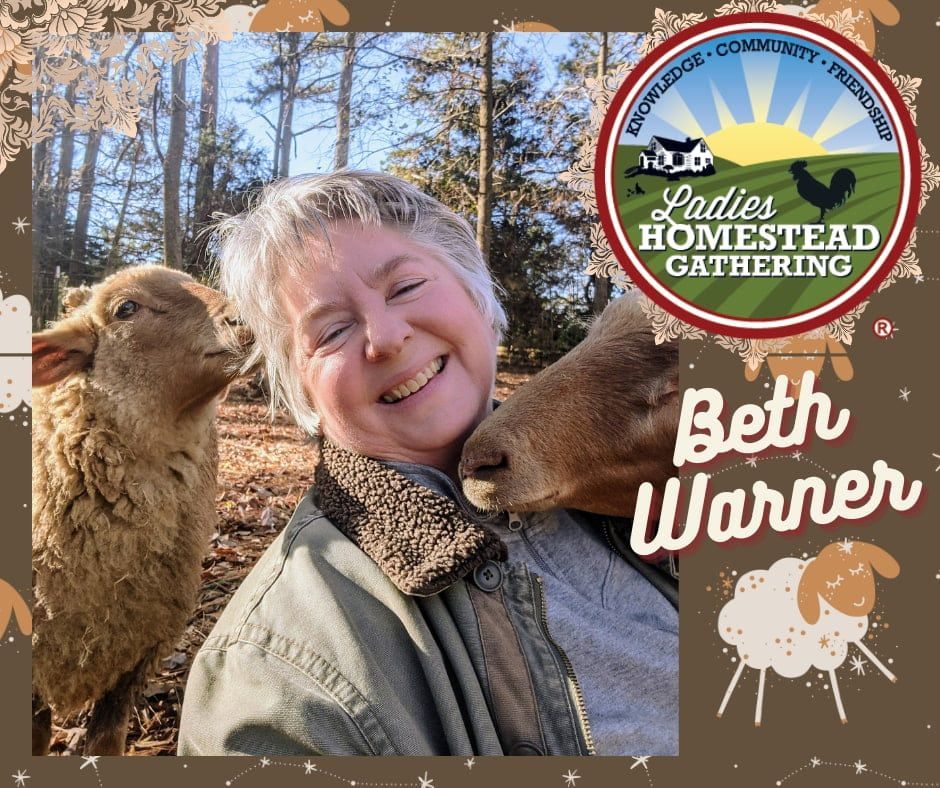
Hello! I’m the shepherdess at Sheepcote Farm. We raise Tunis sheep, a heritage breed uniquely suited for the southeast. We also have chickens, guineas, livestock guardian dogs, a donkey named Bonnie and multiple gardens. I’m actively involved with the Madison County (GA) Ladies Homestead Gathering. Whether meeting in person or connecting online, my homestead life is positively influenced by the LHG mission: share knowledge, build community and grow friendships. I’m glad you’re here.
Other Articles