Snout to Tail
“Oh, happy day: I’ve got sheep fat!”
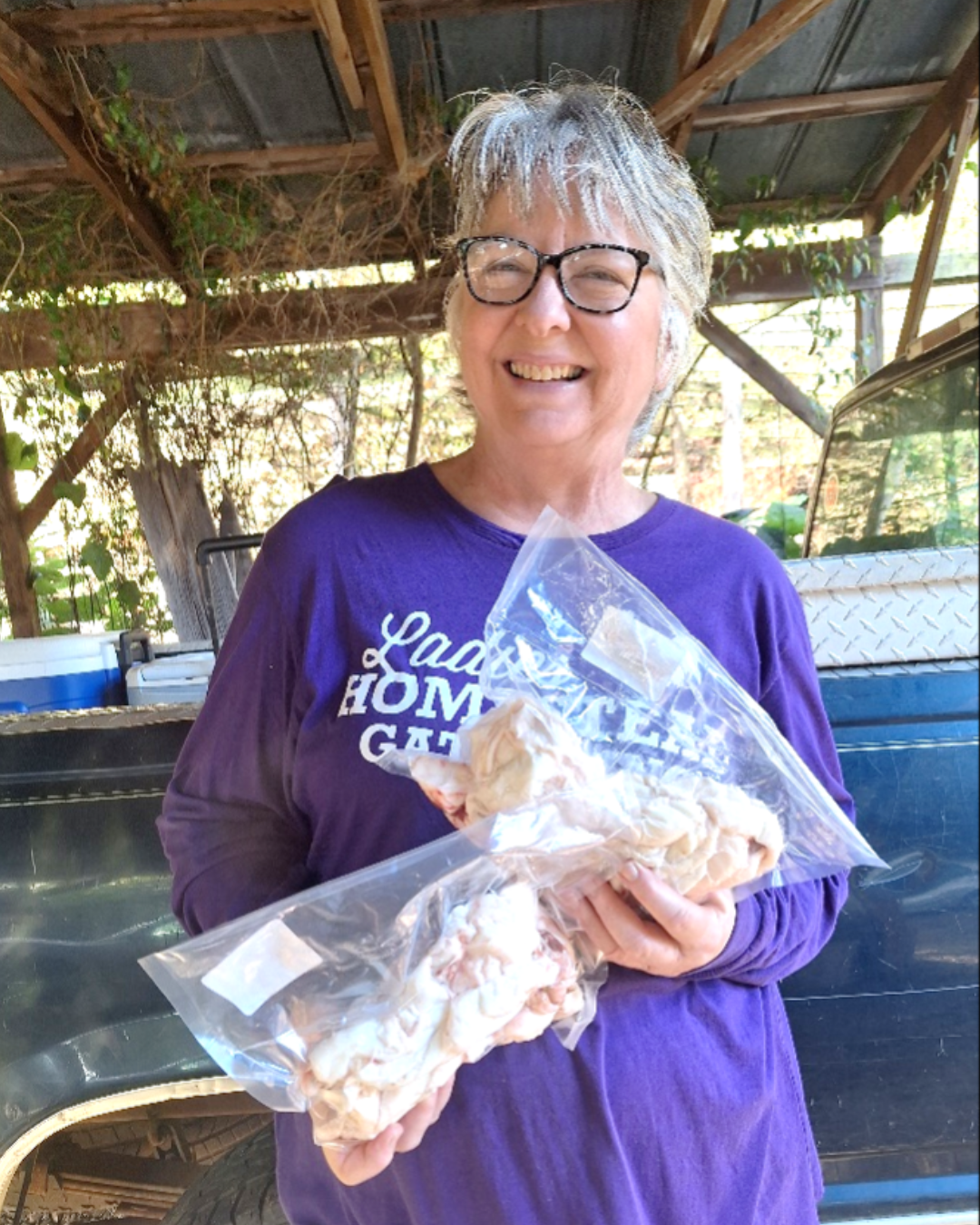
You may be wondering why sheep fat makes me smile. And the answer is:
Soap.
Handmade, cold process soap.
In my first soap-making class, we used lard as a foundation for soap. The instructor noted that we could use tallow (beef fat) instead of lard (pork fat). As I drove home from class, I began to wonder, “could sheep fat be used?”
The answer is, “absolutely yes.” People have used sheep fat for centuries. In fact, sheep fat is used for soap-making, cooking, baking, leather conditioning, fuel, gun cleaning, and more.
Since we raise sheep, I was delighted to discover even more uses for this multipurpose livestock. Using the whole animal: from nose to tail, is an important principle on our homestead.
Since we raise sheep, I was delighted to discover even more uses for this multipurpose livestock. Using the whole animal: from nose to tail, is an important principle on our homestead.
Here are four benefits from using a “Nose to Tail” approach to food:
- Reduce waste.
- Save money.
- Improve your health.
- Honor the cycle of life.
1. Reduce waste
According to the USDA, American food waste is estimated to be 30 – 40 % of our total food supply. What a sobering number. Food waste is caused by many factors such as insect damage, weather events, process, shipping and storage issues.
Another example of food waste is excessive culling of imperfect food such as bruised vegetables and just-expired products that get tossed into the grocery store dumpster. Consumers also create food waste, for example: the bits and pieces of a raw chicken carcass that get thrown into the trash.
When we decide to use the whole animal, we immediately begin to reduce waste. Chicken bits and older vegetables end up in the broth pot. Meat bones are roasted and transformed into rich stocks. Even the fat and skin left behind in the cooking process can be mixed with other products (brown rice, sweet potatoes, vegetables) for dog food toppings.
2. Save money
Buy a freezer cow. Or half a cow. Or a quarter.
Buy a pig. Or a sheep, or goat.
Heck, just buy a whole chicken instead of “boneless, fatless, overpriced” chicken pieces!
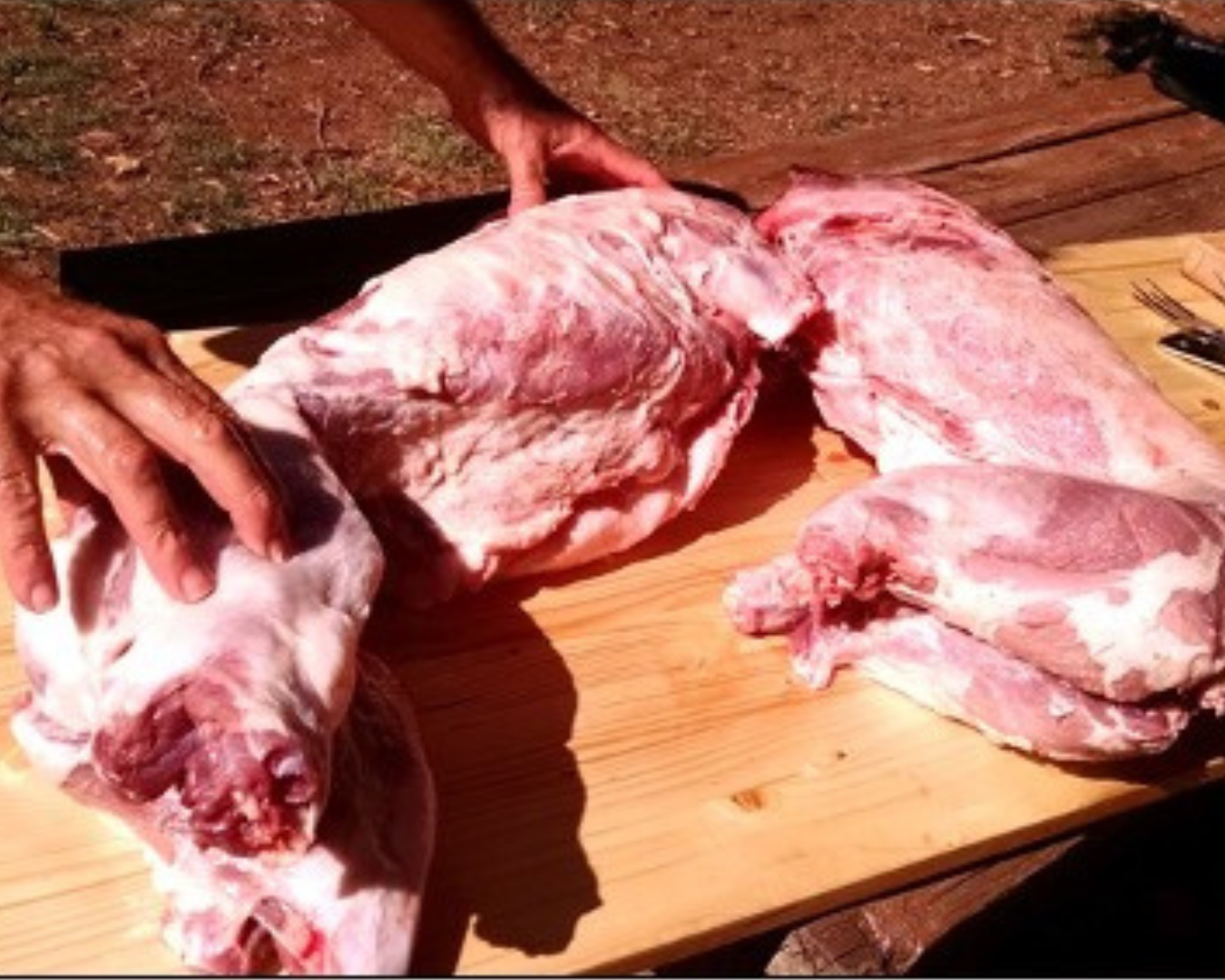
When you buy meat in bulk, you save money. You also expand your cooking repertoire as you learn how to use cuts such as foreshanks, necks, briskets and short plates.
Do you have farmers or homesteaders further up your family tree? Trust me, they did not go to the grocery store to buy single steaks wrapped in plastic wrap, or overly trimmed pork chops on a styrofoam tray. They raised meat animals or knew someone who did. My grandmother kept a milk cow and raised one small steer a year for meat. Every bit of that beef was eaten, and the family did all they could do to stretch the limited resource. When the beef was gone, they ate more backyard chicken, more smoked pork, and more dried beans until it was time to butcher another steer.
3. Reduce waste
Did you know that there can be health problems associated with eating just lean meat cuts? We were not designed to live on a meat diet of boneless, skinless chicken parts, or excessively lean pieces of meat.
Lean muscle meats are high in certain essential amino acids. They are low in others. This combination can create unhealthy levels of homocysteine: an amino acid associated with heart disease. Organ meats and bones are a perfect counterbalance. They include critical amino acids plus collagen that help protect against excesive homocysteine. Organs are also naturally high in iron, folate, zinc, choline and B12 and B6.
4. Honor the cycle of life
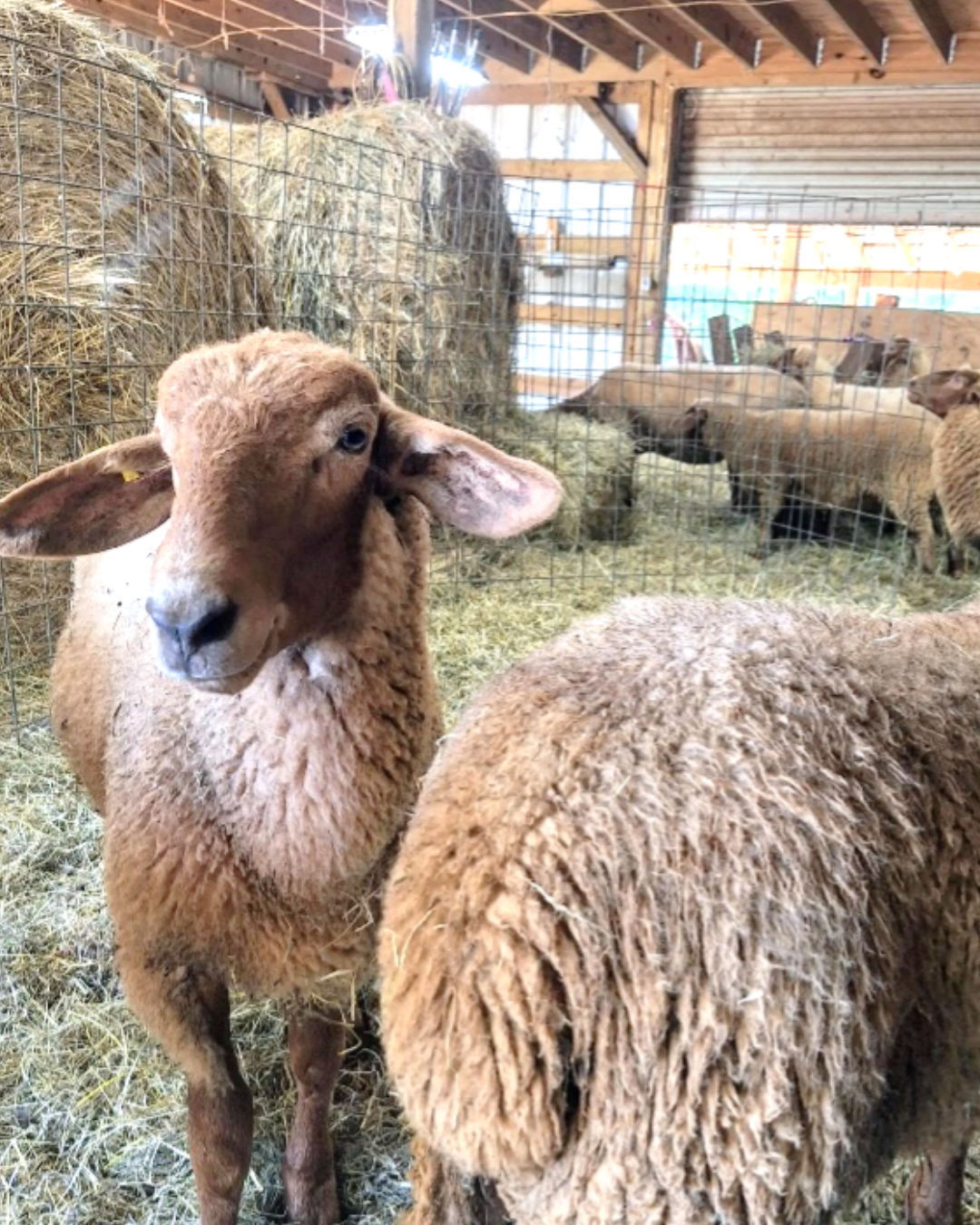
I care deeply for our sheep. Daily, I feed them, water them, and spend time with them. And even though I know a percentage of the flock is predestined for meat, I still weep when we load the trailer for processing. I do not take their lives for granted.
For me, using as much of the animal as possible is a way to honor their gift of life. From sheep fat to sheepskins, from organ meats to bones to all types of meat cuts: from nose to tail, I want to be a good steward.
Want to learn more about this topic?
On August 7, 2024, join the National Ladies Homestead Gathering for a Virtual Gathering:
Discover the art of ethical and efficient use of livestock. Dive into
"From Snout to Tail: Maximizing Utility After Animal Butchering" and learn the age-old practices of maximizing yield, minimizing waste, and honoring the whole animal. Join our community in this journey of respect and resourcefulness.
Other Articles