
Canning 101
“I don’t know why you do this! I can go to the store and buy cans of tomato sauce for the same money – or less money! – and not have to do all this work!”
The three of us in the kitchen turned towards Elizabeth and smiled.
Cheryl replied, “Do you know what’s in your tomato sauce? I mean, really know? What pesticides and herbicides were used to grow the tomatoes? What preservatives were added?”
Linda asked, “Have you tasted the difference between our sauce and the commercial sauce?”
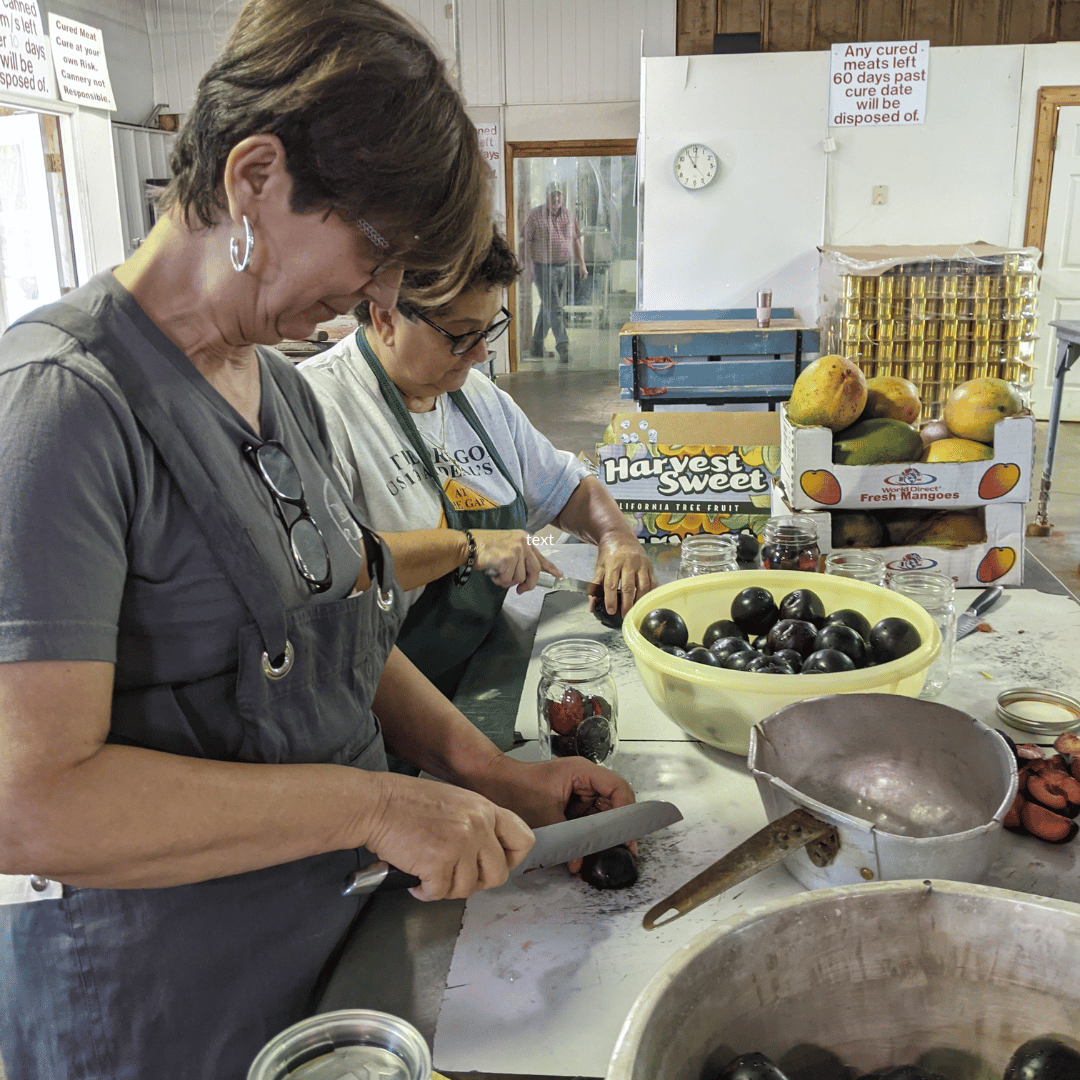
I glanced down at the case of homegrown tomatoes, inhaled the scent of simmering tomato sauce, and looked at the kitchen counters. We worked as a team: washing, peeling, cutting, and cooking the tomatoes into a vibrant red, bubbling sauce. The water bath canner was ready for the next batch; hot mason jars were lined up, waiting to be filled.
“It isn’t just about efficiency and cost,” I said. “It’s about knowing what is – and what is not – in your food. It is about superior taste and sometimes superior nutrition. It is about growing and preserving your own food: a useful skill passed down through the generations.“ “And cost? Over time, the cost of canning equipment decreases. Jars and rings are reused. Funnels and measuring spoons have long lives. You can often find cheap canning equipment at thrift stores. Local farms and farmers’ markets often sell bulk fruits and vegetables at a discounted price. Plus, the environmental cost of our tomato sauce is far less than your commercial product: chemicals, labor, and highway miles.”
Elizabeth rolled her eyes, smiled, and put on an apron. “Where do I start?” she asked.
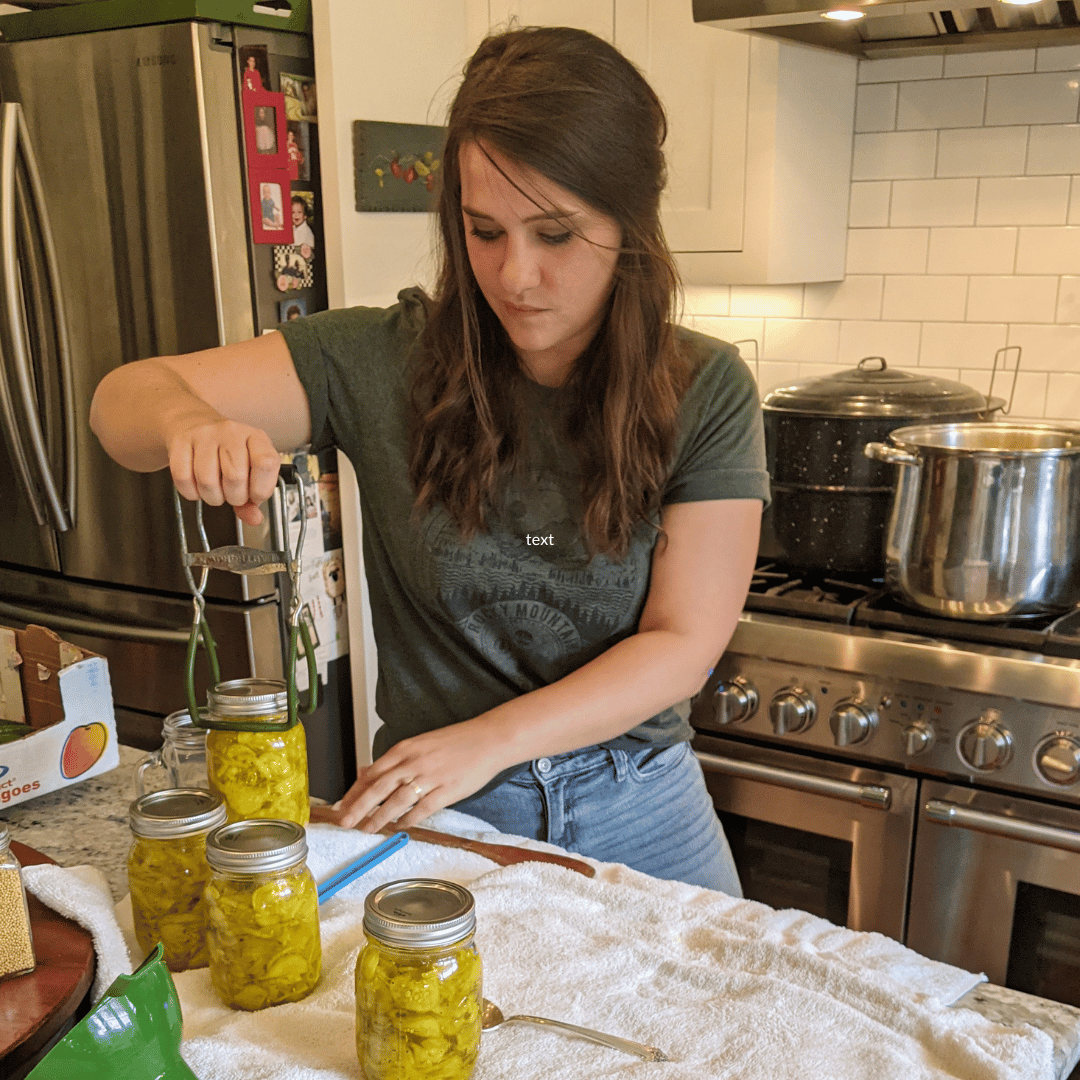
Canning is a time-tested method of preserving food.
Food is placed in glass jars and heated to a safe temperature. Water-bath canning is used for high-acid foods like tomatoes, fruits, and pickles. Pressure canning is used for low-acid foods like green beans, potatoes, and meats.
Canning is an important, safe method of food preservation if practiced properly. The canning process involves placing foods in jars and heating them to a temperature that destroys microorganisms that could be a health hazard or cause the food to spoil. Canning also inactivates enzymes that could cause the food to spoil. Air is driven from the jar during heating, and as it cools, a vacuum seal is formed. The vacuum seal prevents air from getting back into the product bringing with it microorganisms to recontaminate the food.
Clemson Cooperative Extension
Many resources are available to help you start and grow in your canning journey. Here are a few:
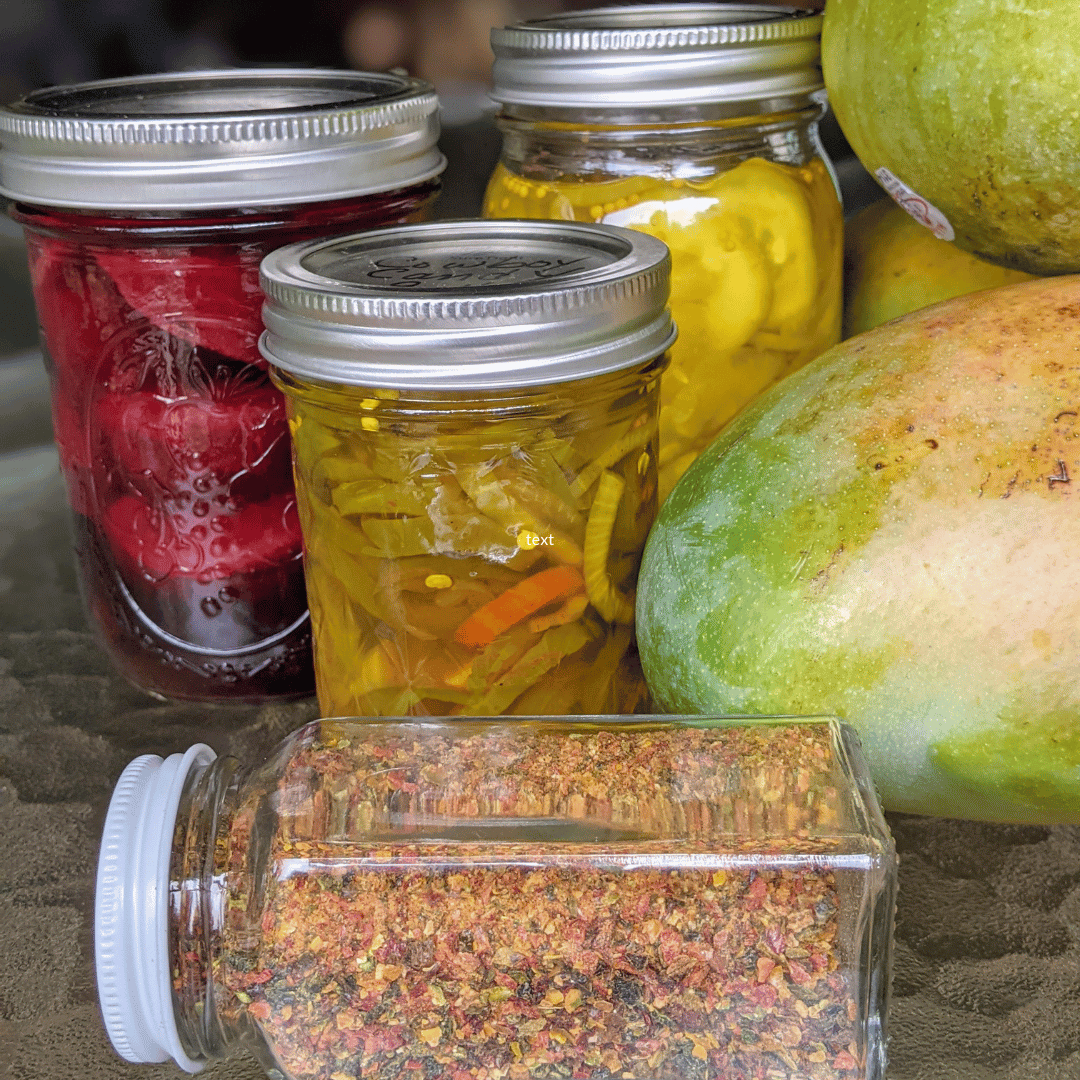
The National Center for Home Food Preservation is an in-depth resource that addresses canning, fermenting, smoking, and other food preservation methods.
Ball Mason Jars are probably the best-known type of canning jar. Generations of women have used the Ball Blue Book as their Canning Bible. This year marks its 38th edition.
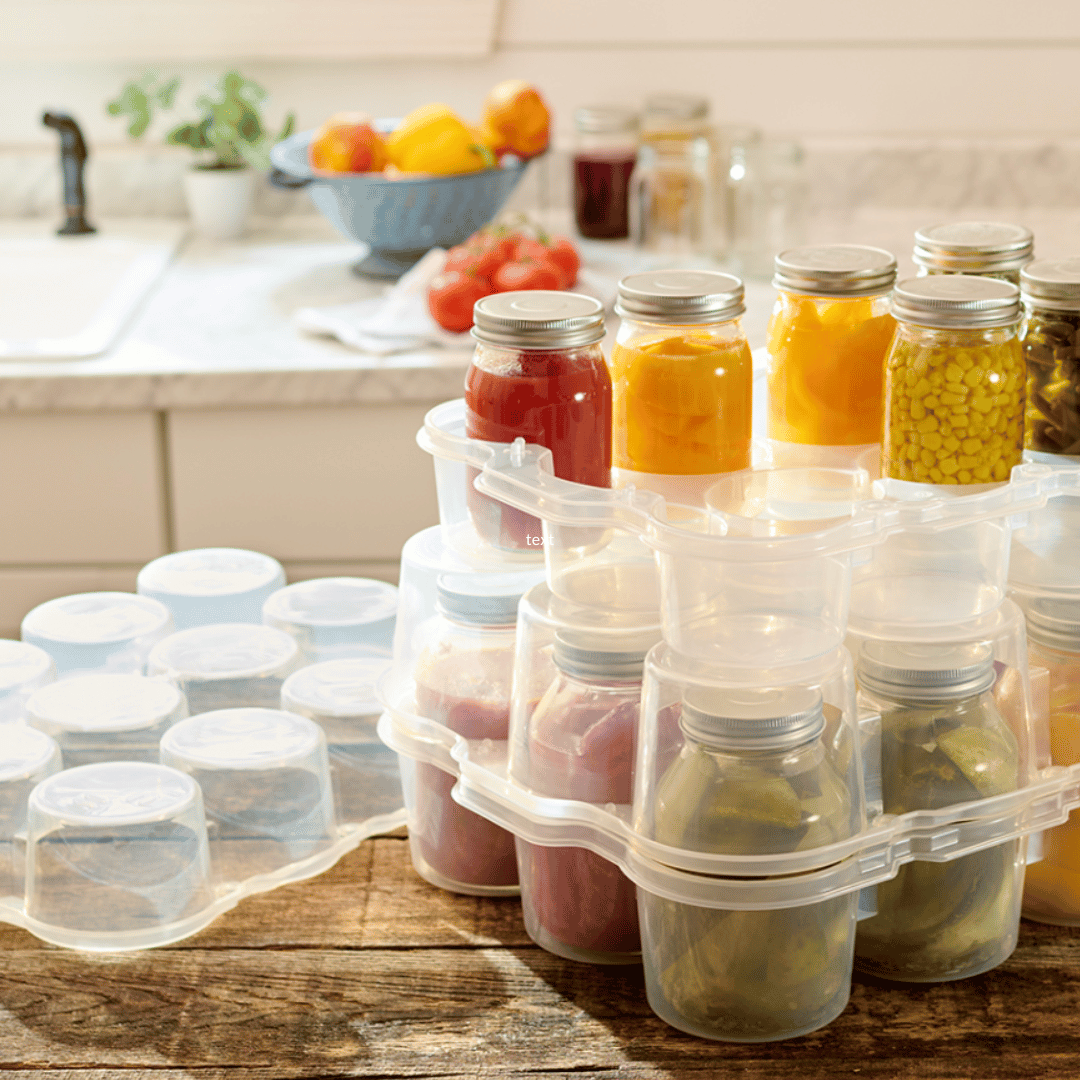
Roots & Harvest is a National Ladies Homestead Gathering supporter and offers an assortment of canning supplies, from canners to canning kits and Canning Jar Safecrates (pictured), to help store and
transport canning jars.
Speaking of the National Ladies Homestead Gathering, the virtual topic for May is Preserve the Season: Canning 101! Follow the link to register for an informative and useful session.
So, why do all this work?
To:
- Prepare nutritious food
- Minimize unwanted additives and preservatives
- Use the overabundance of the garden and woods
- Have good food, ready to cook
- Preserve old skills
- Rely less on freezers, electricity, and supply chains
- Build homestead skills and confidence
Let’s get canning!
Other Articles